
TL;DR: Sony A7C II = 33MP full frame in the most compact Sony body. Same sensor as A7 IV + 7-stop IBIS + significantly smarter AF. Worth it if you want a full frame you can carry everywhere, every day. Not worth it if you’re serious about video or need dual card slots.

I Didn’t Think Size Would Matter This Much
I’ll be honest — I used a Nikon D750 for years. Great photos, great battery life, built like a tank. But every time I packed for a trip, there was always that moment of hesitation: “Do I really want to bring the camera?” The body plus lenses made my bag uncomfortably heavy.
The first time I picked up the A7C II, my reaction was “Is this really full frame?” It’s almost the same size as many APS-C cameras. After taking it on actual trips, I understood something fundamental: the best camera isn’t the one with the highest specs — it’s the one you actually take with you every day.
The best camera is the one you carry with you. If it’s too heavy to grab, you won’t shoot. Before buying any camera, ask yourself: “Can I carry this all day?” If you’re not sure, rent one for a weekend first.
Where the A7C II Sits in Sony’s Lineup
Sony’s full frame mirrorless line splits into three families:
- A7C — the compact line, built for portability
- A7 / A7R — the balanced middle ground between performance and size
- A1 / A9 — the pro speed machines, six-figure price tags
The A7C II sits at the entry tier of full frame, but don’t let “entry” fool you — inside, it shares the same sensor and processor as the A7 IV, Sony’s mid-range workhorse.
vs. the Original A7C — What Changed
| Factor | A7C (original) | A7C II |
|---|---|---|
| Sensor | 24.2MP | 33MP (+37%) |
| Processor | BIONZ X | BIONZ XR + AI unit |
| AF points | 693 | 759 |
| AF subjects | Human, Animal | Human, Animal, Bird, Insect, Car, Plane |
| IBIS | 5 stops | 7 stops |
| EVF magnification | 0.59x | 0.70x |
| LCD | Tilt-up only | Fully articulating (vari-angle) |
| Video | 4K 30p 8-bit | 4K 30p 10-bit 4:2:2 + 4K 60p (crop) |
| Menu system | Legacy Sony UI | New touchscreen UI (same as A7R V) |
| Battery (CIPA) | ~680 shots | ~530 shots |
| Weight | 509g | 514g |
On paper, it’s almost a complete internal overhaul — new sensor, new chip, new AF, 2 extra stops of IBIS, fully articulating screen, completely redesigned menu system.
But there are trade-offs. Buffer dropped from ~115 shots to ~44 shots, and battery life went from ~680 to ~530 CIPA shots. If you shoot fast action bursts frequently, think carefully.
Real-World Differences That Actually Matter
7-Stop IBIS — Handheld Confidence in Low Light
The original had 5-stop IBIS, which was decent. But jumping to 7 stops is a noticeable difference. Walking along the river at dusk with fading light, there’s zero worry about camera shake. I’ve gotten sharp handheld shots at 1/8 second — no gimbal, no tripod needed.
6-Subject AF Detection — Not Just Face Tracking
The original could detect humans and animals. The new model adds birds, insects, cars, and planes. Sounds niche until you’re shooting birds at a park and the AF locks onto their eye even through branches. Then you get it.
Fully Articulating Screen — Low and High Angles Made Easy
The original only tilted up. The new screen swings out to the side like a vlog camera. Shoot from ground level and still see the screen, or flip it for selfies. A massive improvement for anyone shooting video of themselves.
New Menu System — Finally
Anyone who’s used the old Sony menu system knows the pain. The new system (shared with the A7R V) supports touch, has better categorization, and is genuinely pleasant to use. This alone is worth the upgrade.
Competitor Landscape
In a similar price range, you have a few options:
| Factor | Sony A7C II | Canon R8 | Nikon Z6 III |
|---|---|---|---|
| Price (body) | ~$1,400 | ~$1,300 | ~$2,000 |
| Sensor | 33MP | 24.2MP | 24.5MP (stacked) |
| IBIS | 7 stops | None | 8 stops |
| Burst | 10 fps | 40 fps (e-shutter) | 14/120 fps |
| Video | 4K30 FF / 4K60 crop | 4K60 uncropped | 4K120 |
| Card slots | 1x SD | 1x SD | CFexpress + SD |
| Weight | 514g | 461g | 760g |
| Standout | Compact + 33MP + Smart AF | Cheapest + insane burst | Video king + dual card |
Canon R8 is about $100 cheaper with a blazing 40 fps burst, but has zero IBIS. If you shoot handheld often, you’re entirely dependent on lens-based stabilization.
Nikon Z6 III costs significantly more but brings a stacked sensor, 4K120 video, and dual card slots. For video-focused shooters or anyone needing card redundancy, it’s clearly superior — but nearly 250g heavier.
Pros and Cons
Pros
- +Sony's most compact full frame body — take it anywhere
- +33MP sensor shared with A7 IV at a lower price
- +7-stop IBIS — handheld shooting without a gimbal
- +Smart AF with 6-subject detection, tracks bird eyes through branches
- +New touchscreen menu system is a massive improvement
- +Fully articulating screen for vlogging and low angles
Cons
- −Buffer only ~44 shots — a big drop from the original
- −Shorter battery life (~530 vs ~680 CIPA shots)
- −Single card slot — risky for paid professional work
- −Overheats during extended 4K recording in hot conditions
- −No top LCD screen for quick settings glance
Hidden Costs
The body costs around $1,400, but real-world usage adds up:
- Kit lens 28-60mm F4-5.6 — comes with the kit for ~$300 extra. Small and light, but basic specs.
- Spare battery NP-FZ100 — ~$50 each. At ~530 CIPA shots, you’ll want at least 2 for a full day.
- SD card UHS-II — 64GB runs ~$40. RAW files are ~33MB each, giving ~1,800 shots per card.
- A real lens — if you want better than kit, budget at least a Tamron 28-200 (
$700) or Sony 35mm F1.8 ($600).
Realistic total cost for a usable setup: $2,200 - $2,800. Not the $1,400 on the sticker. Always budget for lenses, batteries, and cards.
Should You Buy Now?
The A7C II launched in late 2023, and prices have settled since. There’s no concrete rumor about an A7C III yet.
Used bodies with remaining warranty are starting to appear around $1,100-1,200, which is excellent value if you find one in good condition.
If you’re not in a rush, the used market offers great deals. Look for bodies with low shutter counts and remaining manufacturer warranty. You can save $200-300 easily.
What Real Users Say
On Reddit’s r/SonyAlpha, the consensus praise goes to AF performance and the compact body size. The three most common complaints are: overheating during extended 4K video (20-30+ minutes in warm conditions), the single card slot making professionals nervous, and the reduced buffer compared to the original.
On photography forums, the most common recommendation is to buy the A7C II over the A7 IV if you don’t need dual card slots — same internals, much lighter body.
Who Should Buy This
Made for
- Anyone wanting a compact full frame for travel, street, or everyday carry
- Shooters who value weight and portability over maximum specs
- First-time full frame buyers upgrading from APS-C who don't want the bulk
Think twice
- Video-first shooters — this can overheat during long sessions. Consider the Nikon Z6 III or Sony A7 IV
- Burst shooters — the ~44-shot buffer may not be enough for action
- Anyone wanting the best IBIS — the Nikon Z6 III offers 8 stops
Skip this one
- Working professionals who need dual card slots for redundancy — look at the A7 IV or A9 III
- Heavy action/sports shooters — the buffer is too shallow. Consider the A7 IV or A9 III
- Serious video work needing 4K120 or ProRes — look at the Nikon Z6 III or Sony FX30
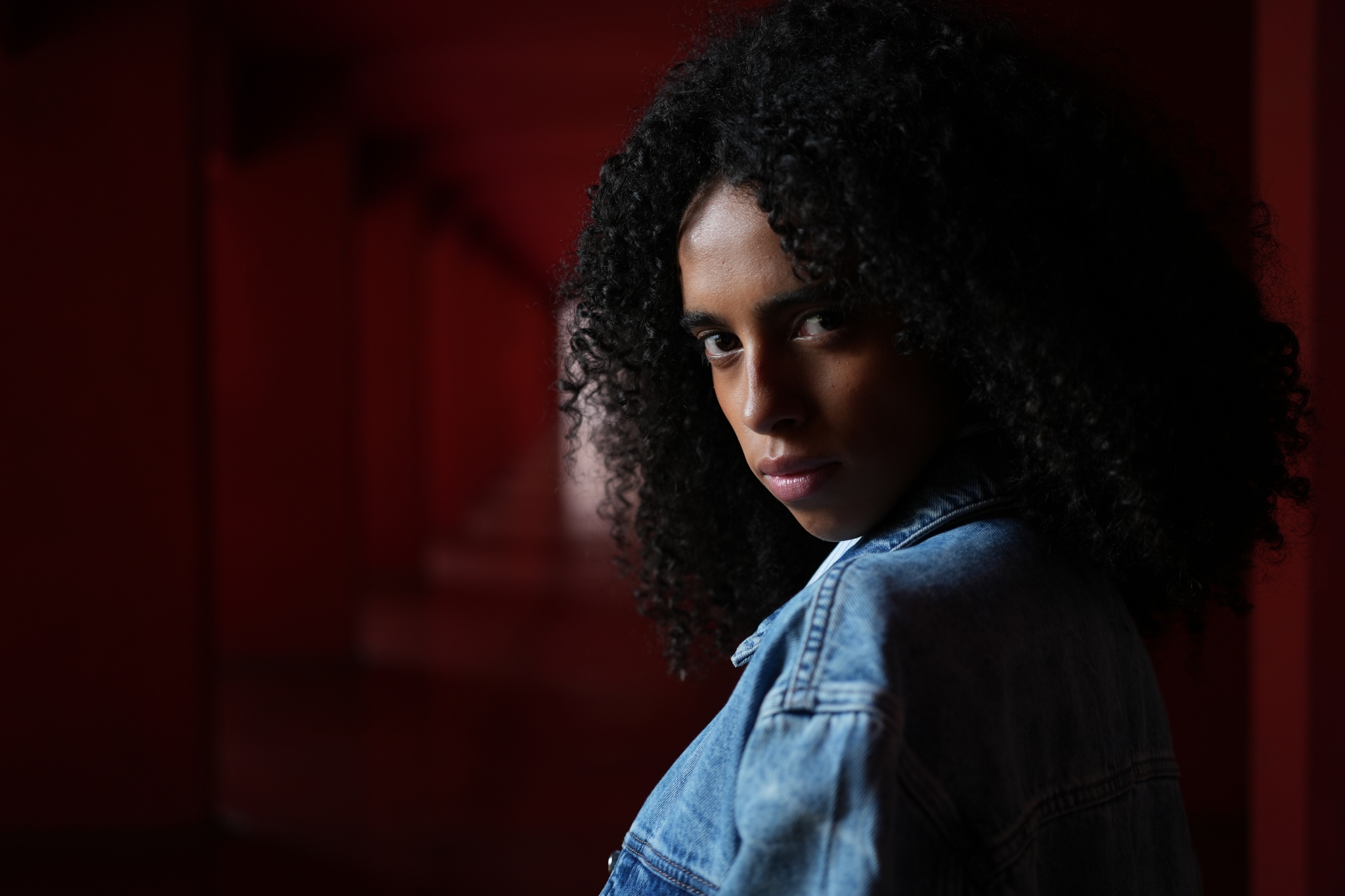
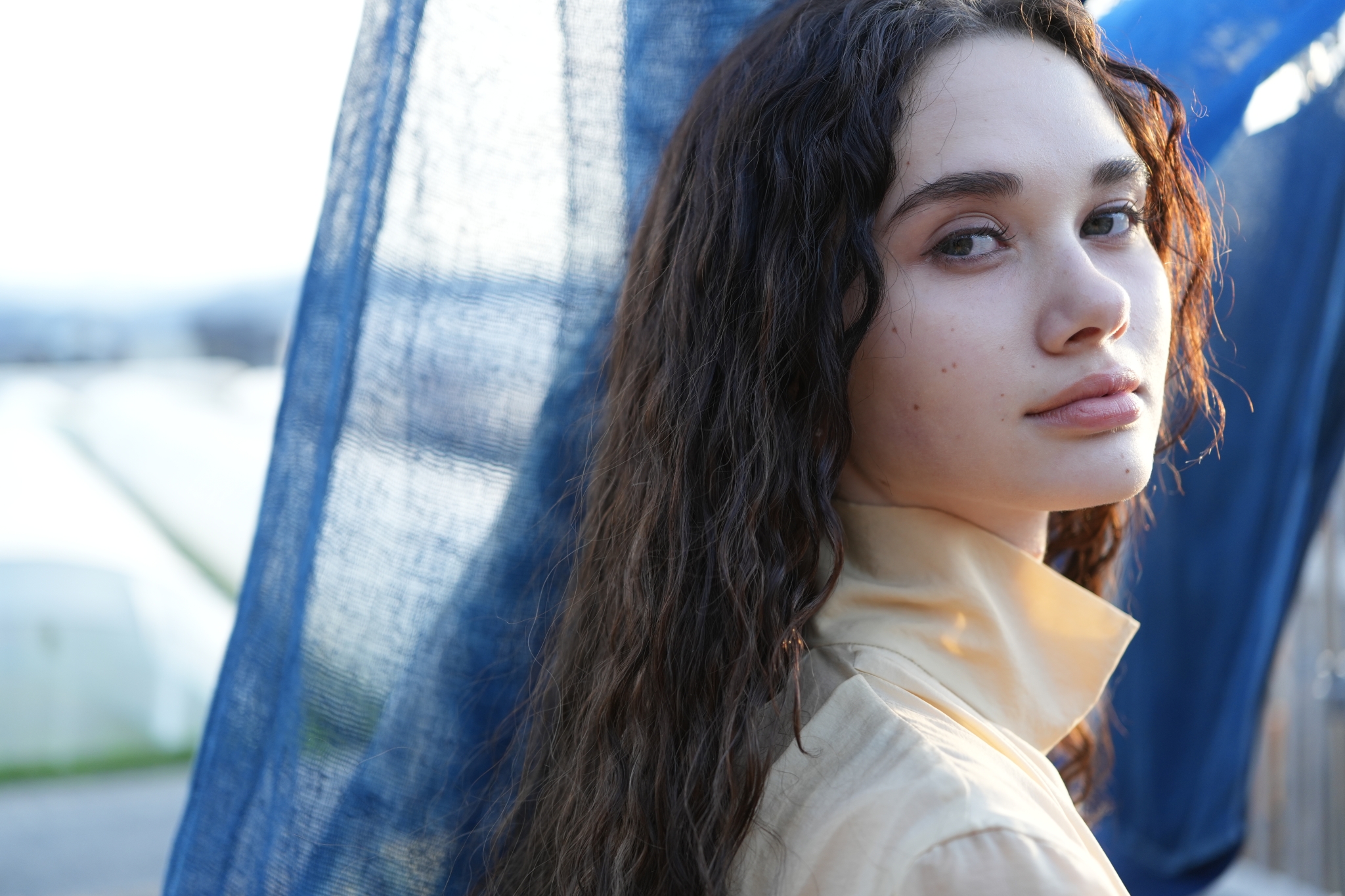
Sample Photos — Straight From the A7C II

For anyone who’s carried a heavy DSLR and wished it was lighter — without giving up full frame image quality — the A7C II is one of the best answers on the market right now.