What happened at Tumbler Ridge
Sam Altman, CEO of OpenAI, wrote an apology letter to the community of Tumbler Ridge in British Columbia, Canada, after acknowledging that the company failed to alert police about a ChatGPT account flagged for violent content — despite having detected and banned the account back in June 2025.
This isn’t just a PR problem. It’s the biggest question facing the AI industry right now — when an AI platform detects danger signals, who bears the responsibility to raise the alarm?
Timeline you need to know
June 2025 — OpenAI’s automated systems flagged the ChatGPT account of Jesse Van Rootselaar, 18, for content related to gun violence. Human reviewers assessed the flagged content and determined it did not meet the threshold of “credible and imminent planning” required to alert law enforcement. The account was banned, but police were not notified.
Van Rootselaar created a new account to circumvent the ban — OpenAI only discovered this after the shooting, when RCMP released her name.
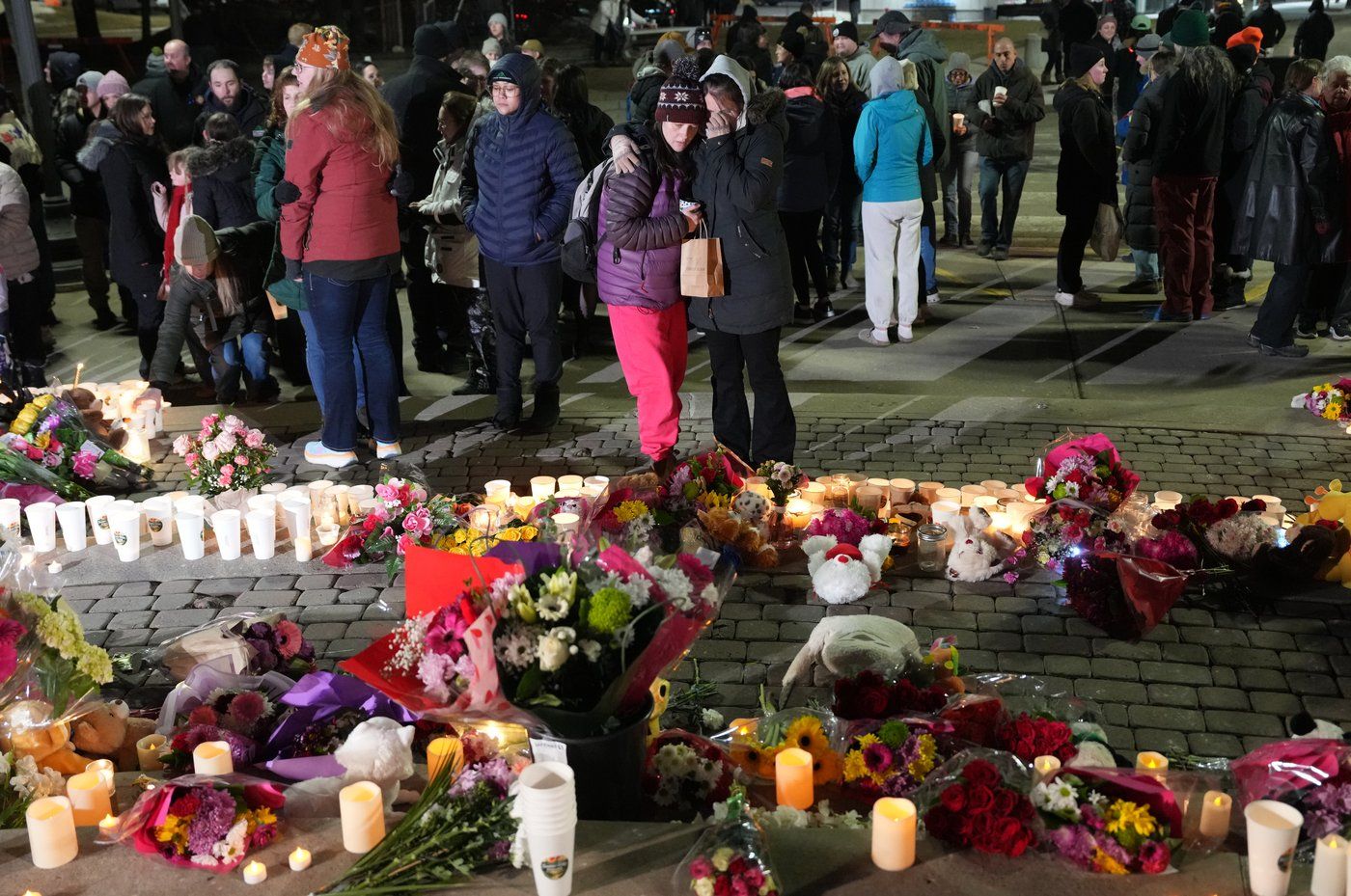
February 10, 2026 — Van Rootselaar carried out a mass shooting at a secondary school in Tumbler Ridge, killing 8 people: her mother, half-brother, 5 students, and a teacher’s aide, before taking her own life. Another 27 people were injured, including 12-year-old Maya Gebala who was shot three times and remains hospitalized.
This was Canada’s deadliest school shooting in nearly four decades.
April 23, 2026 — Altman wrote the apology letter stating: “I am deeply sorry that we did not alert law enforcement to the account that was banned in June” and “While I know words can never be enough, I believe an apology is necessary to recognize the harm and irreversible loss your community has suffered.”
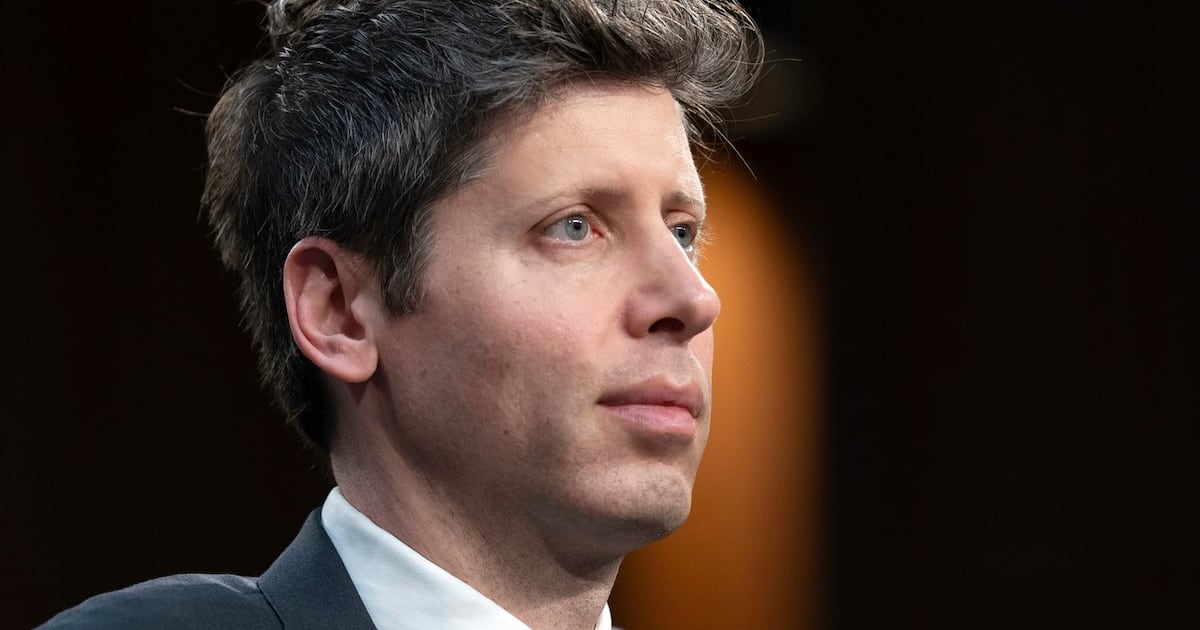
Reactions from all sides
Altman’s letter was shared through local media and B.C. Premier David Eby, who immediately responded that the apology was “grossly insufficient.”
Maya Gebala’s mother filed a lawsuit against OpenAI alleging negligence, claiming ChatGPT provided “information, guidance and assistance” that contributed to the attack. Other victims’ families have since filed additional lawsuits.
Canada’s AI Minister, Evan Solomon, reported that Altman agreed to establish RCMP liaison protocols for reporting threats. A coroner’s inquest has been scheduled to examine AI’s role in the incident.
The critical failures to question
The core problem lies in the phrase “credible and imminent planning” — the threshold OpenAI used to decide whether to alert police. Human reviewers saw violence-related content and judged it hadn’t crossed the line. The outcome proved that threshold was set too high.
The second failure: a user who was banned simply created a new account and continued. This means ChatGPT’s identity verification system is weak. Banning an account alone isn’t enough if a bad actor can create a new one within minutes.
Compared to other tech crises
| Factor | OpenAI (Tumbler Ridge) | Meta (Cambridge Analytica) | Google (Project Maven) |
|---|---|---|---|
| Issue | Failed to report threat to police | User data leaked to third parties | Built AI for military |
| CEO apologized personally? | Yes — letter from Altman | Yes — Zuckerberg testified | No — Pichai sent statement |
| Legal consequences | Sued by victims' families | $5B FTC fine | Employee resignations |
| Long-term fix | RCMP liaison protocol | Complete privacy policy overhaul | Cancelled military contract |
Every case shares a common thread — tech companies responded slower than they should have. But the Tumbler Ridge case is heavier because it directly involves human lives, not just data leaks or abstract ethics.
Pros and cons of this response
Pros
- +Altman apologized personally, not hiding behind a PR team
- +Agreed to build RCMP liaison protocol for reporting threats
- +Clearly acknowledged the failure rather than blaming automated systems
Cons
- −Apology came 2.5 months after the incident — B.C. Premier called it 'grossly insufficient'
- −No financial remediation plan for victims' families
- −Account ban circumvention remains unaddressed with no clear fix
Lessons for the AI industry
This incident raises a question every developer needs to consider — if your platform detects danger signals, where should the threshold for alerting authorities be?
Set it too low and you’ll generate so much noise that no one listens. Set it too high and you might miss a real signal, as happened here. In this case, human reviewers judged “not yet” — but the outcome proved them wrong.
What needs to change isn’t just OpenAI’s policy, but the industry-wide standard for when AI platforms are legally obligated to report to authorities. The law hasn’t caught up yet, and the Tumbler Ridge tragedy is the pressure that will accelerate new legislation on this front.
Altman’s agreement to create an RCMP liaison protocol is a step in the right direction, but it only matters if the protocol is actually implemented — not just a promise on paper. The families of the 8 victims deserve far more than an apology letter.